Camping Locations - Salvator Rosa National Park – Northern Section, Queensland
Outback Isolation, Sandstone Spires and a Proper Escape from Civilisation!
If you’re the sort of traveller who enjoys getting well away from the highway, leaving the crowds behind and discovering somewhere a little different, then the Salvator Rosa section of Carnarvon National Park deserves a spot on your Central Queensland touring wish list.
This remote corner of Queensland’s sandstone country isn’t about fancy resorts, tourist traps or cafés serving overpriced flat whites. It’s about rugged landscapes, spring-fed creeks, towering sandstone formations and the sort of peace and quiet that’s becoming increasingly difficult to find.
And getting there? Well, this isn’t a quick detour to stretch your legs before the next roadhouse. You’ll need to plan ahead!
A landscape shaped by time
Salvator Rosa forms part of Carnarvon National Park, on the western edge of Central Queensland’s sandstone belt. Its landscape is dominated by weathered sandstone crags, rocky outcrops and distinctive formations that rise above the surrounding open woodland.
The area was named by explorer Sir Thomas Mitchell in 1846. The unusual sandstone scenery reminded him of the landscapes painted by Italian artist Salvator Rosa, and the name has stuck ever since.
Not a bad legacy for a bloke exploring the Queensland bush nearly two centuries ago!
What makes Salvator Rosa special?
Spyglass Peak and The Sentinel
These striking sandstone formations dominate the skyline and provide some of the area’s most memorable scenery. Walking tracks and viewpoints offer opportunities to appreciate the formations up close and photograph the rugged landscape.
Louisa Creek and Belinda Springs
After travelling through long stretches of dry grazing country, the spring-fed waterways are a welcome surprise. Clear springs feed Louisa Creek and the Nogoa River, creating pockets of life and greenery beneath the sandstone cliffs.
Mitchell Springs
Another interesting stop in the area, these springs are associated with the explorer’s journey through the region. They offer another glimpse of the natural water sources that have made this landscape important to people and wildlife over time.
Wildflowers and wildlife
If you time your visit for spring, you may be rewarded with colourful wildflowers among the open woodland and sandstone scenery. The park also provides opportunities for birdwatching and spotting native wildlife.
Getting there – the adventure starts before you arrive
Salvator Rosa is remote, and access is via unsealed roads. A suitable four-wheel-drive vehicle is required, and travel can be slow due to sandy sections, bull dust, rough surfaces and changing road conditions.
Access routes are available from the Springsure and Tambo areas, but don’t assume the kilometres will fly past as quickly as they do on the highway. Heavy rain can make roads and creek crossings impassable.
Before setting off, check current Queensland Parks and road-condition information. Carry adequate food, water and fuel, and don’t rely on mobile phone reception once you’re out in the bush.
In other words, this is not the place to discover you’ve forgotten something important and expect a quick trip to the nearest supermarket!
Camping under the outback stars
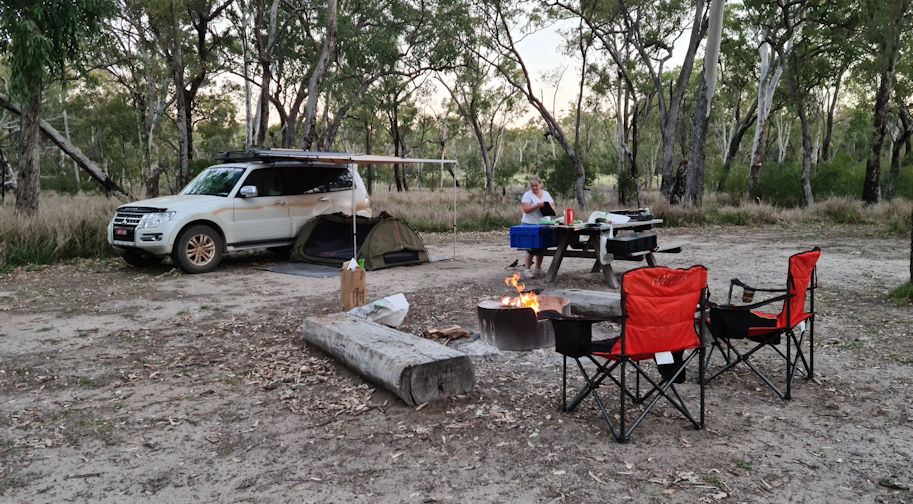
The Nogoa River camping area provides a base for exploring this part of the park. It’s a remote bush-camping experience rather than a holiday park with all the bells and whistles.
Facilities are basic, and visitors need to be self-sufficient. Camping permits and bookings are required, so make arrangements before travelling.
The reward is the chance to spend time in the bush, enjoy the surrounding sandstone country and experience an outback night sky away from the bright lights of town.
Just remember to take your rubbish with you, respect the environment and leave the area as you found it.
The Thirsty Tourists verdict 🍻
Salvator Rosa is one for travellers who enjoy the journey as much as the destination. The sandstone spires, spring-fed waterways and remote outback setting offer a very different experience from Queensland’s better-known tourist attractions.
It’s not a destination for those wanting room service, a swimming pool and a pub around the corner. You’ll need to be organised, prepared and comfortable with getting away from the conveniences of everyday life.
But for lovers of rugged scenery and remote Queensland touring, that’s precisely the attraction.
Our recommendation: Worth considering for a properly planned Central Queensland outback adventure. Allow enough time to explore, check access conditions before leaving and come prepared for the isolation.
And while the scenery might be thirsty-work territory, make sure you have plenty of drinking water on board. The cold beverage can wait until you’re safely finished travelling for the day!
The Thirsty Tourists – Touring is thirsty work! 🍻


